Maintenance·Ezra Agro Desk·
Tyre Wear and Wheel Alignment: Read the Clues Early
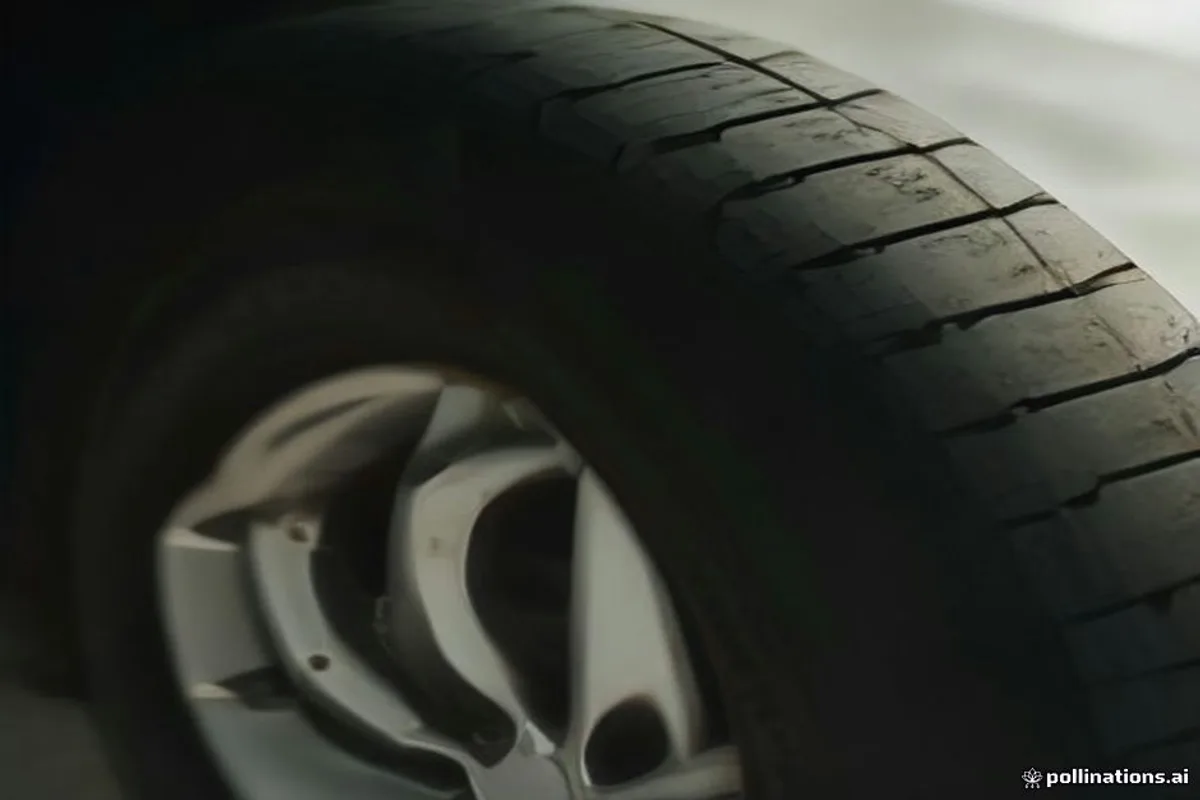
Your tyres are writing a report on your suspension, your driving and your maintenance habits. Most drivers never read it until the bill arrives.
Key facts
- The legal minimum tread depth in many countries is 1.6 mm, but wet grip drops sharply below 3 mm.
- A single alignment check is cheaper than one prematurely worn tyre.
- Front and rear tyres often wear at different rates; rotation evens the cost out.
- A slow pressure leak of 0.1 bar a week can wear a shoulder flat in a few months.
Tread depth is the least interesting number
Most drivers know the legal minimum. Far fewer know that wet braking performance falls away well before that limit. Independent tests consistently show longer stopping distances at 3 mm than at 6 mm, and the gap grows in heavy rain. If you drive in a wet climate, treat 3 mm as your practical replacement point, not 1.6 mm.
Measure across the whole tread, not just the centre. A tyre can be legal in the middle and bald on the inner edge, which is exactly where a suspension problem hides.
Reading the wear pattern
Even wear across the tread is what you want. Wear on both outer shoulders usually means chronic underinflation. Wear down the centre means overinflation, though this is less common than the internet suggests. Wear on one shoulder points to camber or a worn suspension component.
Feathered or sawtooth wear, where the tread blocks feel sharp in one direction, often points to alignment or worn bushings. Cupping, a series of scoops around the circumference, usually means worn dampers or balance problems. Each pattern is a clue, and each clue has a cheaper fix if caught early.

When alignment is actually needed
Alignment is not a routine annual purchase. It is needed after a hard pothole, a kerb strike, suspension work, or when you notice a pull, an off-centre steering wheel or uneven wear. A shop that sells alignment with every oil change is selling a service you may not need.
Ask for the before-and-after printout. Good shops provide it. The numbers should be within the manufacturer's range, and the steering wheel should sit straight on a flat road. If the wheel is still off-centre after the job, the work is not finished.
Tyres are the only part of the car that touches the road. A millimetre of neglect there is worth more than a horsepower upgrade anywhere else.
Pressure, temperature and the weekly habit
Check pressures cold, before the car has been driven far. Sunlight and driving raise pressure, so a tyre that reads correct at noon may be low at dawn. Use the door-jamb sticker, which lists pressures for normal and loaded conditions. The number on the sidewall is a maximum, not a recommendation.
Temperature changes matter. A 10C drop can reduce pressure by roughly 0.1 bar, which is enough to trigger a warning on a cold morning. Check again when the seasons change rather than trusting the light alone. TPMS is a useful backup, not a replacement for a gauge.
Rotation, balancing and the spare
Rotate tyres at the interval in the manual, typically every 8,000 to 12,000 km, and follow the pattern the manufacturer specifies. Directional tyres have their own rotation rules. Balancing is different from alignment: it fixes vibration at speed, and it is needed when a wheel is fitted or a weight is lost.
Check the spare's pressure and age. A ten-year-old spare that has never been used can still be unsafe. If your car uses a sealant kit, check the bottle's expiry date and replace it. A compressor without usable sealant is a false sense of security.

When to replace, and how to buy
Replace tyres in pairs at minimum, and preferably all four on an all-wheel-drive car to avoid drivetrain stress. Match the specification, not just the size: load index, speed rating and the tyre's intended use all matter. A budget tyre that stops poorly in the wet is not a saving.
Check the date code on the sidewall. Tyres age even when unused, and a great deal on old stock is not a great deal. Store summer and winter sets upright, away from sunlight and ozone sources such as electric motors.

A five-minute routine that pays
- Walk around the car once a month and look at all four tread faces.
- Check pressures cold, including the spare, and adjust for load.
- Note any new vibration or pull and get it checked before it becomes wear.
- Rotate on schedule and keep the receipt with the service log.
- Replace at 3 mm for wet-weather driving, not at the legal limit.
None of this is glamorous. It is simply the difference between a set of tyres that lasts its full life and a set that dies early because nobody looked.
Written by Ezra Agro Desk for Ezra Agro. Tips or corrections? Email [email protected].