Maintenance·Ezra Agro Desk·
A 12-Month Car Maintenance Calendar for Real Owners

Most maintenance advice assumes you have a lift and a free weekend. This calendar is built around a normal car, a normal driveway and a normal budget.
Key facts
- Oil change intervals of 10,000 to 15,000 km are common in 2026, but short trips justify changing sooner.
- Tyre pressure should be checked cold, at least once a month, including the spare.
- Brake fluid absorbs moisture over time and is usually due every two years regardless of mileage.
- A 20-minute monthly walkaround catches most problems before they become roadside failures.
Maintenance is a rhythm, not a repair bill
Cars rarely fail without warning. They give small signals for weeks: a slight pull to one side, a new vibration, a coolant level that keeps dropping. The owner who catches those signals spends less and breaks down less often than the owner who waits for a warning light.
This calendar is deliberately simple. It separates checks you can do in ten minutes from jobs that belong in a workshop, and it spreads the cost across the year instead of dumping it into one painful service.
Every month: the ten-minute walkaround
Do this when the car is cold and parked on level ground. Check tyre pressures against the door-jamb sticker, not the maximum on the sidewall. Look at each tyre for bulges, cuts and uneven wear. Check the oil, coolant, brake fluid and screen wash levels. Test the lights, including indicators and brake lights, with a wall or a helper.
While you are there, look under the car for fresh drips and check the wiper blades for splits. A monthly walkaround is also the best time to notice a nail in a tyre before it becomes a slow puncture at the worst possible moment.

Every three months: the deeper look
- Clean and inspect the battery terminals; check the battery date if it is more than four years old.
- Top up screen wash with a proper mix, not neat water in winter.
- Check tyre tread depth across the full width, not just the centre.
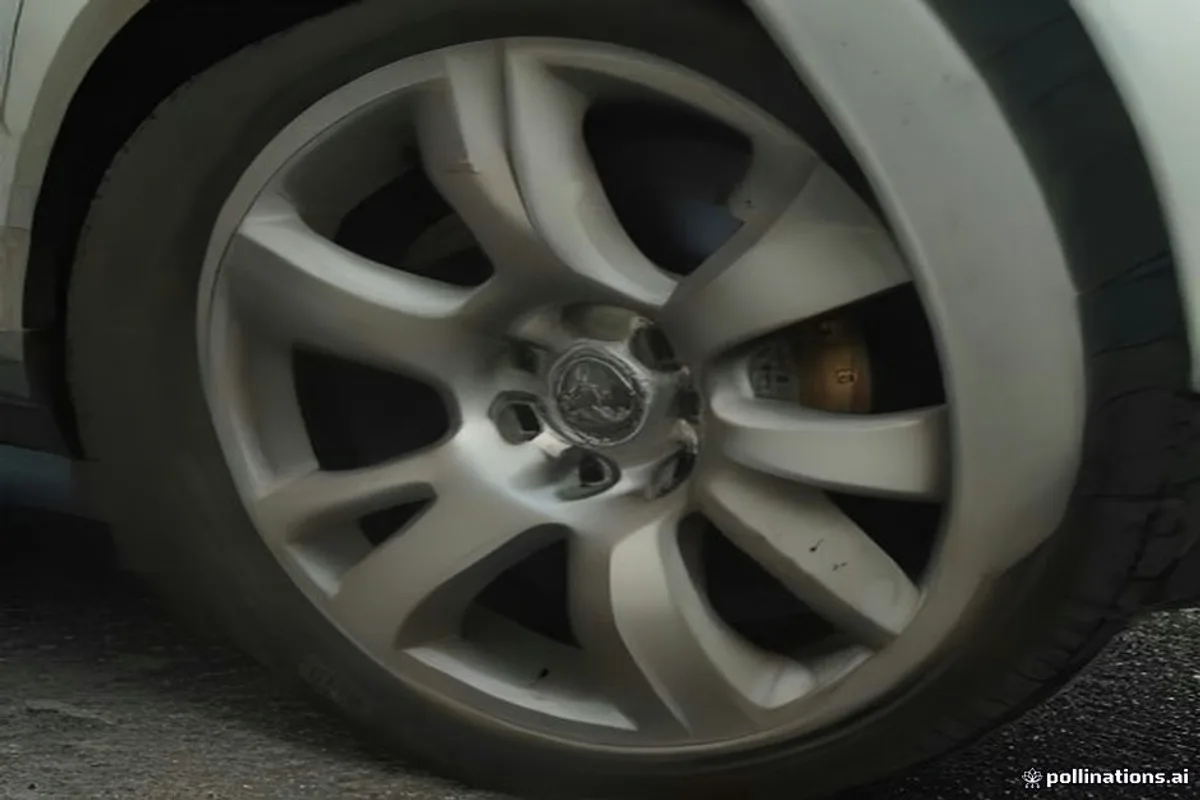
- Inspect brake pads through the wheel spokes and listen for scraping.
- Test the air conditioning, even in cool weather, so the seals stay lubricated.
- Wash the underside after salty roads and clear drain holes in doors and sills.

Every six months: fluids, filters and a proper look underneath
Change the cabin filter if you drive in traffic or near construction dust; it is cheap and improves both airflow and defogging. Check the engine air filter and replace it if it looks grey. Inspect the serpentine belt for cracks and glazing. If you have a jack and stands, look at the brake lines, suspension boots and exhaust for rust.
This is also the moment to check the spare tyre or inflation kit. Many cars now ship without a spare, and a compressor with a expired sealant bottle is not a plan. Confirm what your car actually has and whether the tools are present.
The cheapest repair is the one you do before the part fails. The second cheapest is the one you do at home on a Saturday.
Once a year: the service that sets the baseline
Follow the manufacturer's schedule for oil and filters, but read the severe-use footnote. Short trips, heavy traffic, towing and dusty roads usually fall under severe use, which means shorter intervals. If most of your driving is five-minute school runs, change the oil sooner than the book suggests.
At the annual service, ask for the brake fluid test, a battery health check and a proper look at the cooling system. Brake fluid is hygroscopic, meaning it absorbs water, and old fluid boils earlier under heavy braking. Two years is a common interval, and it is not an upsell.
The two-year and five-year items
Every two years, expect brake fluid and, on many cars, a coolant check. At five years, the battery, dampers and coolant often come due, and rubber components start to show their age. Timing belts, if fitted, have a mileage or age limit that arrives sooner than owners expect.
Transmission fluid is the item most often skipped. Many modern automatics claim lifetime fluid, but lifetime usually means the warranty period. If you plan to keep the car, a fluid and filter change around 80,000 to 100,000 km is cheap insurance.
What it costs, roughly
Prices vary widely by country and model, but the shape of the bill is predictable. Routine oil and filter service is the smallest line. Tyres, brakes and battery are the mid-size items. Cooling system work, suspension and transmission are the large ones. Spreading the mid-size items across the year is easier than meeting them all at once.

Keep a simple log
Write down the date, mileage and what was done. A notebook in the glovebox works, and so does a note on your phone. When you sell the car, that log is worth more than a shiny valet. When something goes wrong, it tells you what has already been ruled out.
The goal is not a perfect car. It is a car that tells you when it needs attention, and a budget that does not collapse when it does.
Written by Ezra Agro Desk for Ezra Agro. Tips or corrections? Email [email protected].