Car Tech·Ezra Agro Desk·
Dash Cams in 2026: Buying, Wiring and Living With One
A dash cam is cheap insurance with expensive mistakes built in. Here is how to choose one, fit it cleanly and avoid the settings that ruin the footage.
Key facts
- A 1440p camera with a good sensor beats a 4K camera with a small one, especially at night.
- Parking mode needs a hardwire kit and a voltage cut-off, or it will flatten the battery.
- Heat is the main killer of dash cams; choose a capacitor model over a battery model in hot climates.
- Footage is only useful if the date, time and plate are readable, so test the files on a computer.
What a dash cam is actually for
Most people buy a dash cam after a near miss. The device is not a security system and it will not stop a collision. Its real value is evidence: a clear record of what happened, who was where and what the lights were doing. That changes how you should choose one.
A camera that produces cinematic footage but cannot read a plate at dusk is worse than a plain camera that can. Priority order is simple: reliable recording, readable detail, then convenience features.
Resolution, sensor and the night problem
Marketing pushes 4K, but resolution is only half the story. A small sensor crammed with pixels produces noisy night footage, and noise destroys plate detail. A 2K or 1440p camera with a larger sensor and good processing often wins after dark.
Look for a wide but not absurd field of view. Around 140 degrees is a sensible balance; 170 degrees stretches the edges and makes plates smaller. Check sample footage from the same model in low light, not the manufacturer's bright daytime clip.
Wiring it without creating a new problem
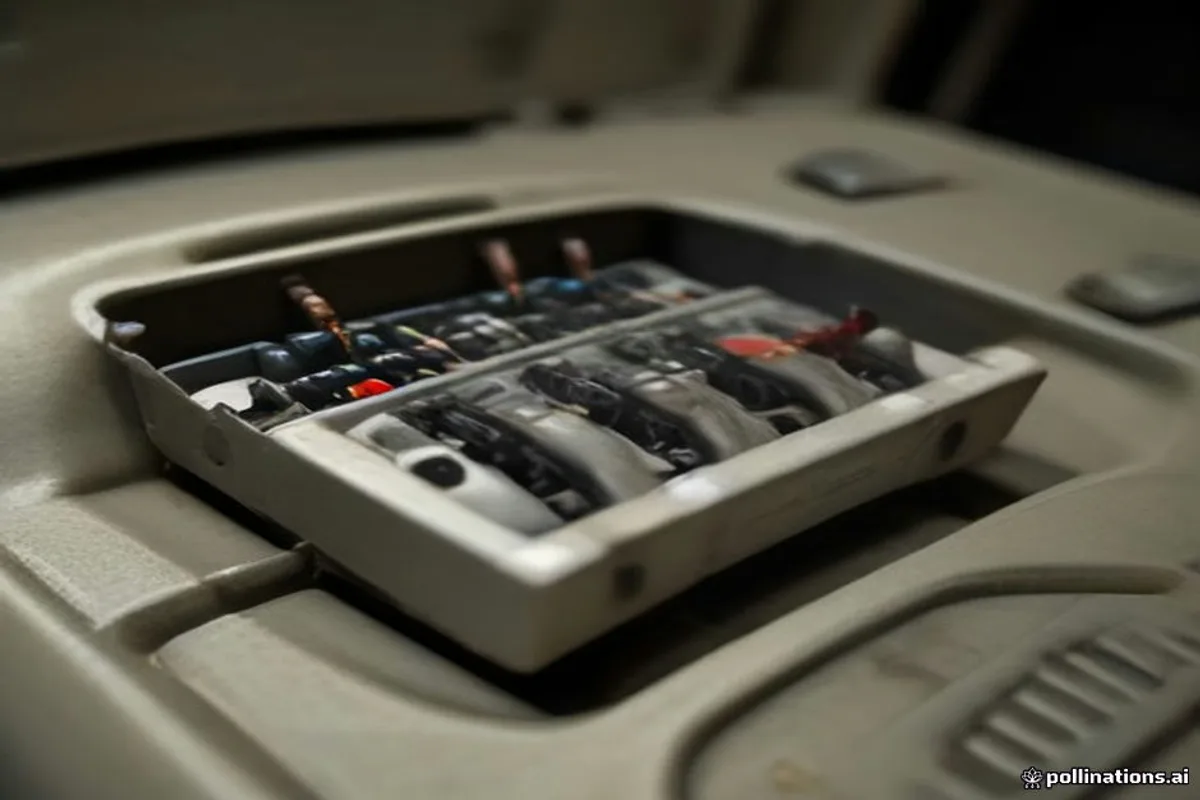
The cleanest install hides the cable behind the headliner and down the A-pillar to the fuse box. Avoid routing it across the side airbag. If you are not confident, pay a fitter; a badly routed cable can interfere with airbag deployment or chafe into a live wire.
For parking mode, use a hardwire kit with a voltage cut-off so the camera stops before the battery is drained. Check the cut-off is adjustable and set it conservatively. A camera that records all night and leaves you stranded is not a safety device.
Buy the camera for the footage you will need at 2am, not the footage you will show friends at lunch.
Storage, heat and file management
Use a high-endurance memory card rated for continuous writing, and format it in the camera every few weeks. Standard cards fail early under constant loop recording. A 128GB card is usually enough for several days of normal driving, depending on bitrate.
Heat is the quiet killer. Cars parked in the sun can reach 60C or more inside, which is why capacitor-based cameras last longer than battery-based ones. If you live somewhere hot, choose a model with a supercapacitor and avoid mounting it in direct sun when parked.
The settings that matter
- Loop recording on, with a segment length of two or three minutes.
- Parking mode set to motion or impact only, not continuous, unless you have a large auxiliary battery.
- Time and date set correctly, and checked after every firmware update.
- Audio recording decided deliberately; it can help or hurt depending on the situation.
- A small locked-file folder so important clips are not overwritten.
Rules and privacy
Rules vary by country and state. In many places you may record your own journey, but publishing footage with identifiable people or plates can create problems. Do not upload clips publicly without blurring faces and plates, and check local rules on audio recording, which are often stricter than video rules.
Tell anyone who drives the car that it records. A small sticker on the dashboard is enough. Covert recording of private conversations is a legal risk in many jurisdictions and an ethical one everywhere.
A sensible setup and what it costs
A reliable single-channel camera, a high-endurance card and a professional install is the sweet spot for most drivers. A rear camera adds useful coverage but doubles the wiring work. Expect to pay more for installation than for a budget camera, and consider that money well spent.
Test the whole system after a week: pull the card, open a night clip on a laptop and read a plate. If you cannot, change the angle, the resolution or the camera. The point is evidence, and evidence has to be legible.

Written by Ezra Agro Desk for Ezra Agro. Tips or corrections? Email [email protected].