Performance·Ezra Agro Desk·
Track Day Prep for a Street Car: The Honest Checklist

A first track day should cost you a set of brake pads and some humility, not an engine. Here is the preparation that actually prevents a bad weekend.
Key facts
- Most track-day failures are heat-related: brakes, tyres and fluids, not raw engine power.
- Tyre pressures rise significantly on track; set them cold and check again after each session.
- A pre-event inspection is cheaper than a recovery truck and a new engine.
- You do not need sticky tyres to learn; a predictable road tyre teaches more.
The car you have is probably enough
Social media makes track driving look like a parts catalogue. In reality, a healthy street car with good tyres, fresh fluids and working brakes will complete a first track day safely and teach you more than a modified car you do not yet understand.
The most common mistakes are not lack of power. They are old brake fluid, underinflated tyres, a loose battery and a driver who does not know where the flags are. Fix those first.
Two weeks before: the mechanical check
Start with a proper inspection. Check the brake pads for thickness and even wear, the discs for cracks and lips, and the fluid's age. If the fluid is more than a year old, change it. Look at the tyres for cuts, bulges and tread depth, and check the age code. A ten-year-old tyre is not safe at any depth.
Check all fluid levels, including coolant and oil. Look for leaks and weeping hoses. Inspect the battery mount and make sure the battery cannot move. Check wheel bearings, ball joints and steering play. If anything is marginal, fix it before the event rather than discovering it at speed.

Brakes: the part that ends your day
Brakes take the hardest punishment on track. Make sure pads have plenty of material, fluid is fresh and the pedal is firm. If you fit track pads, bed them in properly and accept that they may be noisy on the drive home. Do not mix a race pad with a standard disc and expect a perfect result.
After each session, check for fluid leaks and look at the disc surface. A slight blue tint is normal; deep cracks running to the edge are not. Let the brakes cool before parking with the handbrake on, especially with hot rear discs.

You are not racing. The goal is to drive home with the same car, a little more skill and a full set of brake pads.
Tyres: pressure, not just tread
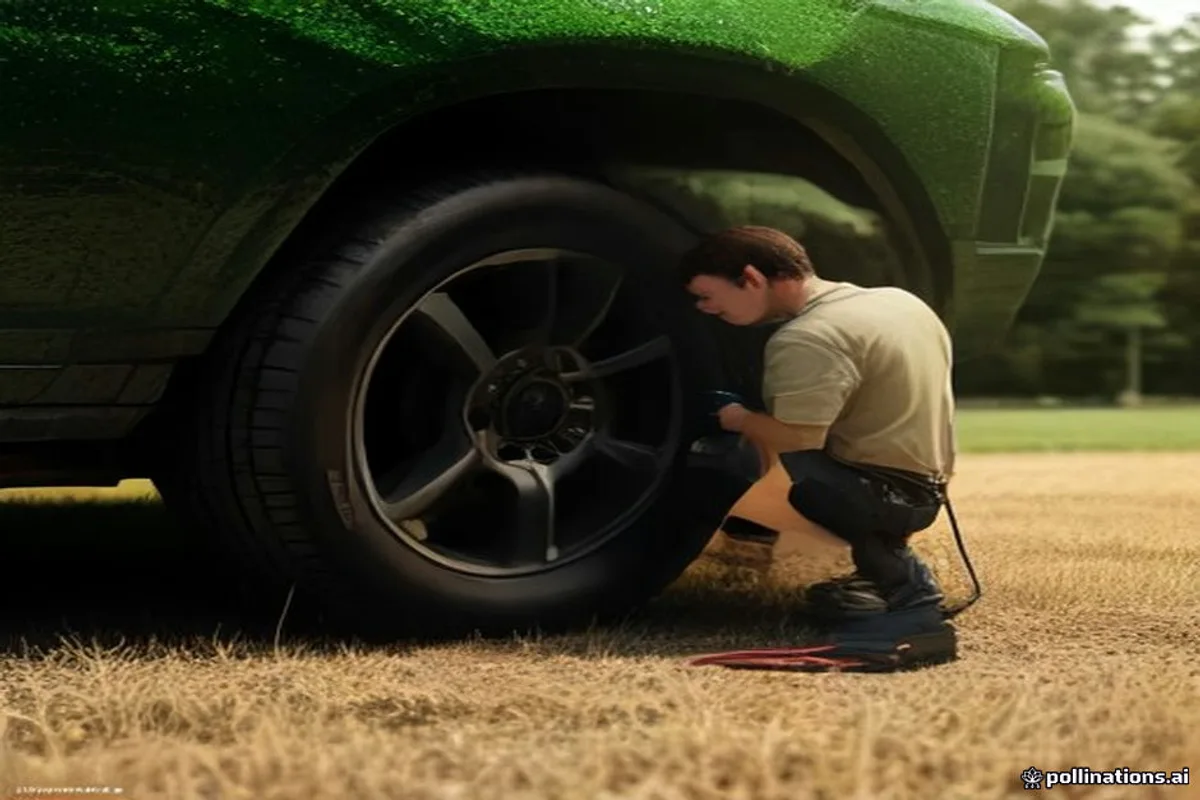
Track driving raises tyre temperature and pressure quickly. Start with the manufacturer's road pressures, then check hot pressures after each session and adjust to the target recommended by the organisers or an experienced instructor. Too much pressure reduces contact patch; too little can damage the sidewall.
Do not chase the stickiest tyre for your first event. A predictable road tyre communicates at lower speeds and lasts longer. If you use track tyres, remember they need temperature to work and can be surprisingly slippery on the first lap.
Safety gear and paperwork
- Helmet that fits properly and meets the event's standard.
- Long sleeves, long trousers and closed shoes, unless the venue says otherwise.
- Seat belts in good condition, with no fraying or broken retractors.
- Fire extinguisher if required by the organisers, mounted securely.
- Emergency contact details, licence and any signed waivers.
- A torque wrench and a tyre gauge in the paddock.
What to leave alone
Do not raise boost, remove catalytic converters or disable safety systems for a first track day. Do not fit a wing that has not been tested with the rest of the car. Do not run a homemade tune. These changes move the car outside the envelope you are still learning.
If the car has driver aids, leave them on at first. Learn the line and the braking points with the safety net, then ask an instructor when and whether to reduce intervention. Skill arrives before lap time.
The day itself
Arrive early, walk the track if the venue allows it, and attend the briefing. Check tyre pressures and fluid levels between sessions. Watch the flag marshals. Come in early if you feel tired or the car feels wrong. The best drivers at a track day are usually the calmest, not the fastest.

Afterwards
Clean the car, check the brakes and tyres again, and change the oil sooner than normal if the car saw sustained high temperatures. Look for new leaks and loose trim. Write down what you learned and what the car did. That notebook is worth more than another part.
Written by Ezra Agro Desk for Ezra Agro. Tips or corrections? Email [email protected].