Electric Cars·Ezra Agro Desk·
Home EV Charging in 2026: A Real Installation Story
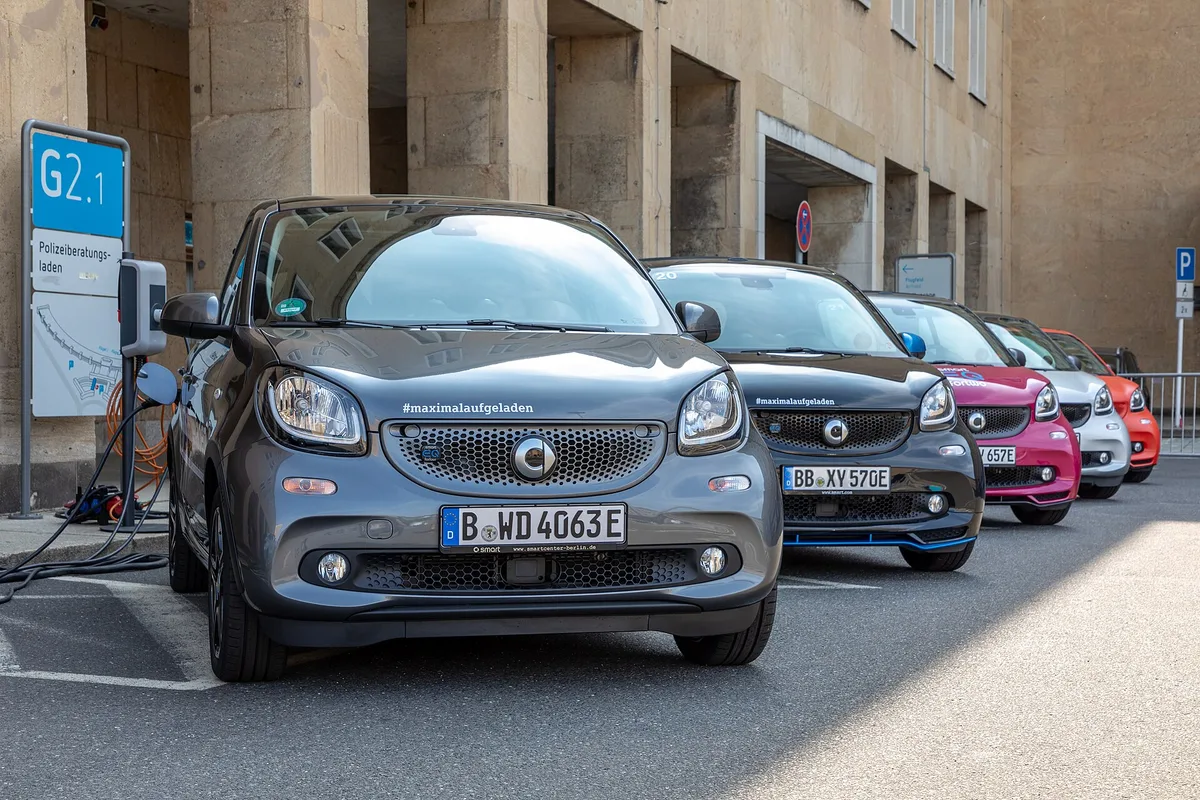
A home charger is an electrical installation, not an appliance you plug in. The difference decides whether it is quick, safe and cheap to run.
Key facts
- Most daily charging needs can be met overnight on a 7 kW wall charger.
- A dedicated circuit and a proper earth check matter more than the charger's maximum rating.
- Off-peak tariffs can cut charging costs substantially, if your meter and tariff support them.
- Cable length and routing often decide the final price more than the hardware.
The charger is the simple part
People spend weeks comparing wallbox brands and five minutes thinking about the electrical supply. That is backwards. The charger is a relatively simple device that tells the car how much current it may draw. The installation, the circuit and the earthing are what make it safe and reliable.
A home charging setup has three parts: the supply capacity, the dedicated circuit and the charger itself. If the supply cannot support the load, a bigger charger will not help. It will simply trip the main breaker at the worst moment.
Step one: understand your supply
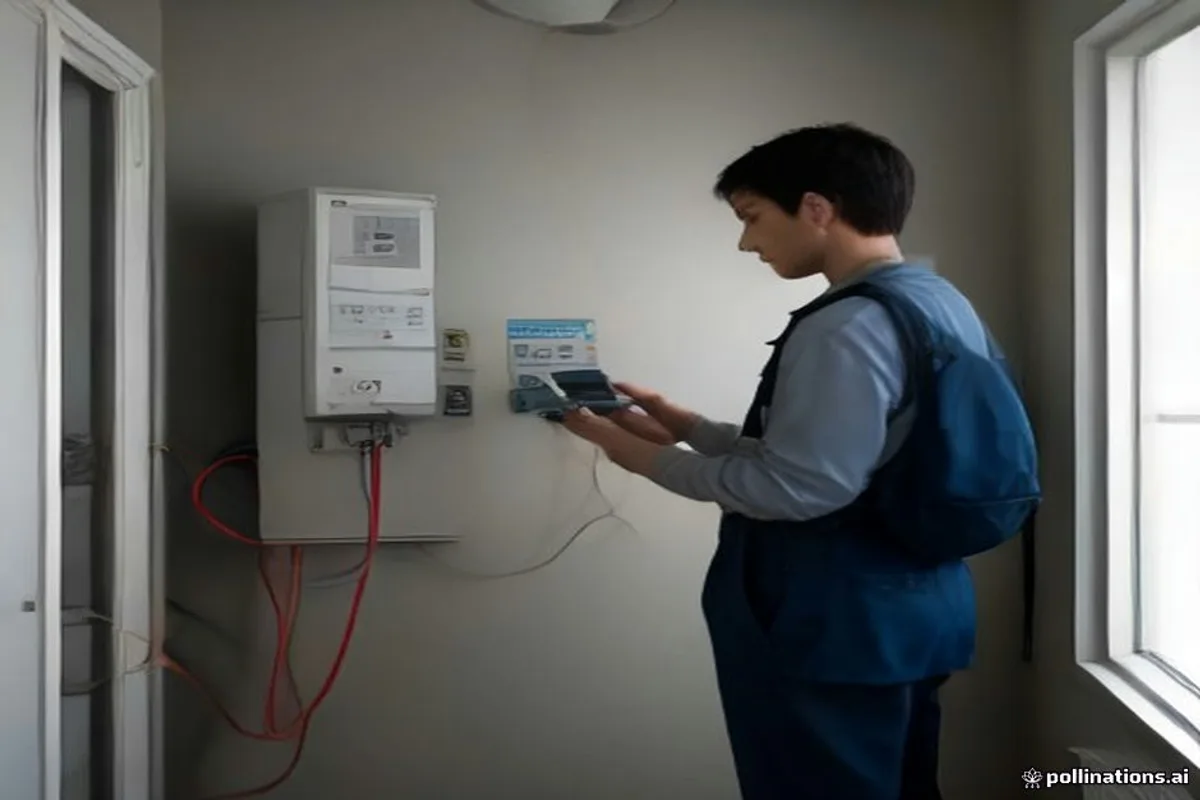
Ask a qualified electrician to review your consumer unit, main fuse and existing loads. Older homes may need a consumer unit upgrade, a separate garage supply or a load-management device that pauses charging when the oven and shower are running. None of this is optional if you want a safe install.
A load-management device is often cheaper than a full supply upgrade, and for most homes it is the sensible answer. It lets the charger share the available capacity instead of demanding a fixed maximum. Confirm the device is compatible with your chosen charger, because not all pairs communicate well.
Step two: choose the power level
A 7 kW single-phase charger adds roughly 30 to 40 km of range per hour for a typical efficient car. That is enough to refill most daily commutes in two or three hours. An 11 kW or 22 kW three-phase unit only helps if the car's onboard charger can accept that rate; many cannot.
Do not buy the highest number on the box. Buy the rate your car can use, your supply can support and your routine needs. For most households, overnight charging at 7 kW is the sweet spot.
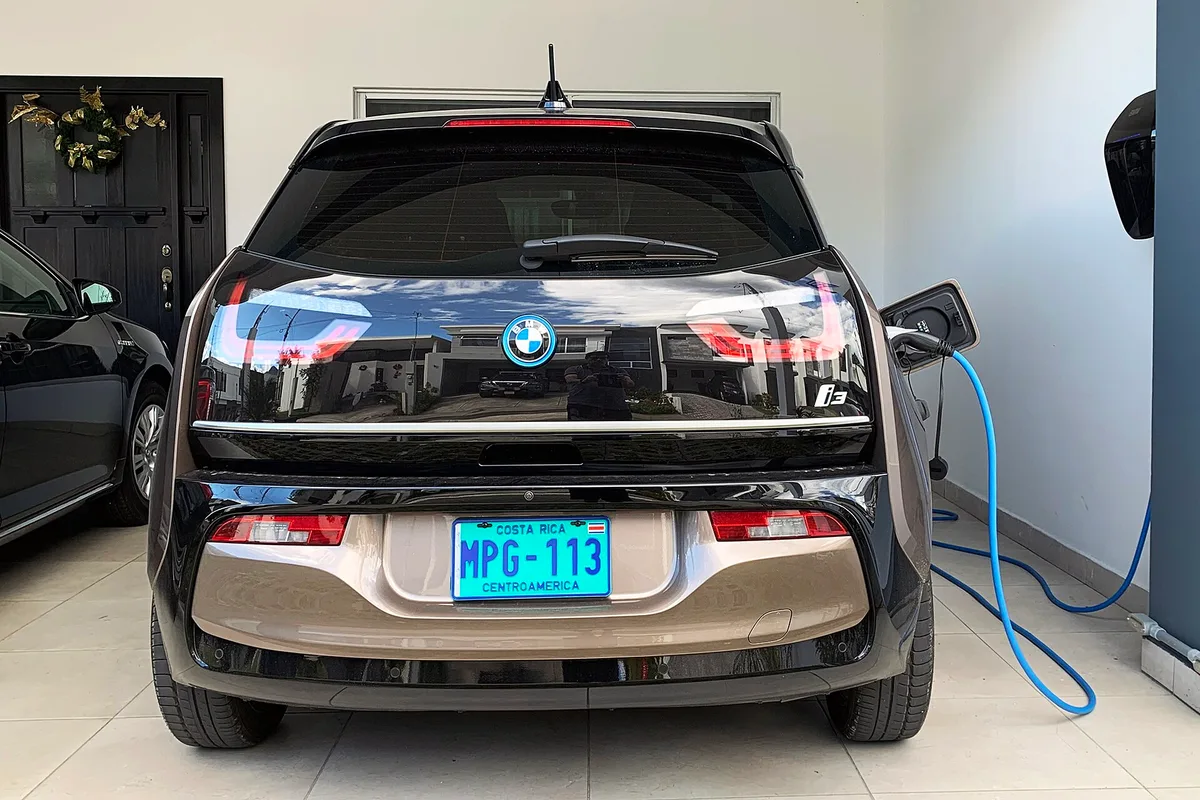
The best home charger is the one that is ready when you are, not the one with the longest feature list.
Step three: plan the cable route
Cable routing is where quotes diverge. A charger on the outside of the garage wall beside the consumer unit is cheap. A charger at the far end of a driveway, under a path, may cost several times as much. Ask for a fixed quote after a site visit, not a phone estimate.
Consider where the car actually parks in the rain, whether the cable will cross a footpath, and whether a pedestrian will trip over it. A cable hook or a retractable arm is a small addition that prevents daily annoyance. Also check the charger's cable length before ordering; a metre short is a permanent problem.
Permissions, grants and paperwork
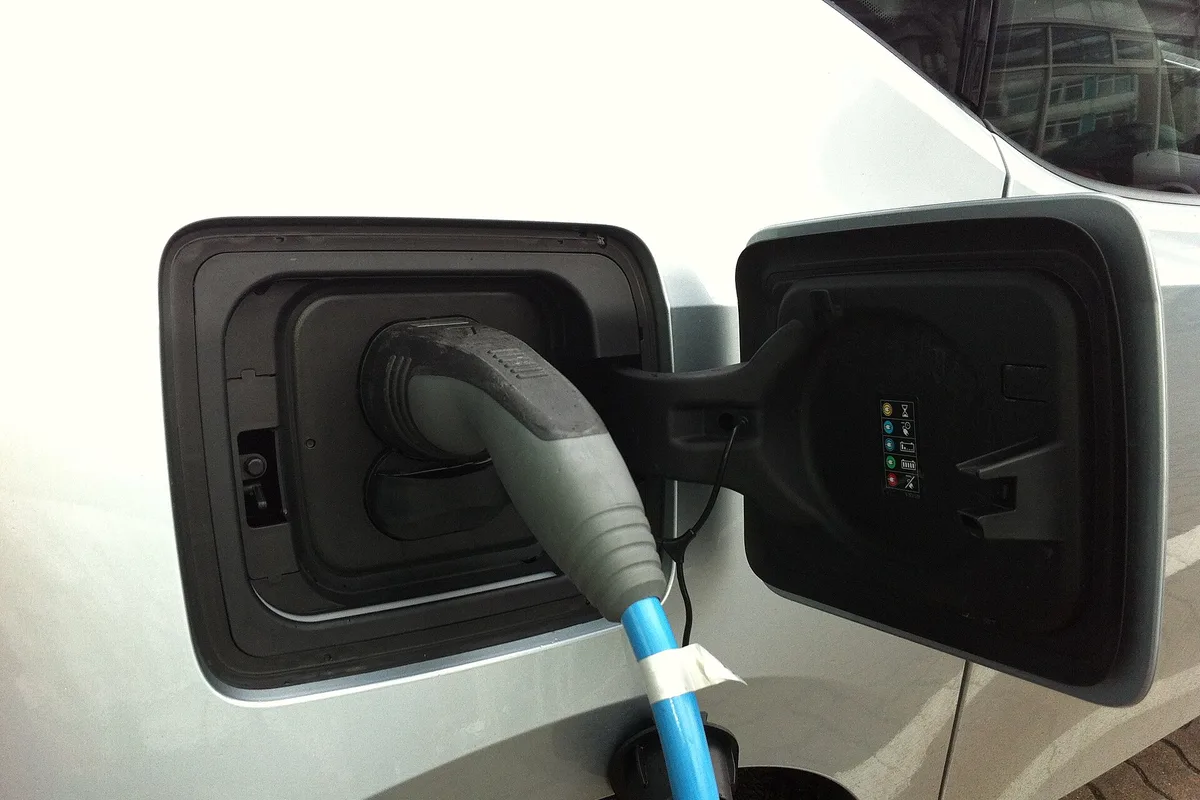
Rules vary by country and even by building. In some places you need landlord approval, a building permit or a notification to the network operator. Ask before installation, not after. Keep the installation certificate, because insurers and future buyers may ask for it.
Grants and tax incentives change often. Check the current scheme on the official government site rather than a charger seller's landing page. A grant that expired last quarter is a common source of confusion.
Scheduling and tariffs
The cheapest electron is usually the one you use when demand is low. If your meter supports time-of-use pricing, set the car or charger to start after the off-peak window begins. Most cars let you set a departure time, which preconditions the battery and cabin while still drawing from the grid.
Be careful with cheap tariffs that have a high standing charge or a short off-peak window. Run the numbers on your actual annual mileage. A tariff that saves a little per kWh but costs more per day can be a loss.
Solar and battery pairing
If you have solar panels, a charger that can follow excess production is genuinely useful in sunny climates. It reduces export and puts energy into the car instead. The payback depends on how much you drive and how much surplus you produce, so model it rather than assuming.
A home battery can smooth the picture further, but it adds cost and complexity. Start with the charger and the tariff. Add storage only when the numbers justify it.
A realistic budget
- Charger hardware: modest, and rarely the largest line item.
- Electrical work and materials: varies with cable run and consumer unit condition.
- Load management or supply upgrade: only if the electrician identifies a need.
- Permits and inspections: required in some jurisdictions.
- Cable management and a second connector holster: small but worth it.
Get at least two quotes and ask what is included: isolation switch, earth rod, cable, conduit, testing and certification. A cheap quote that excludes half the work is not a cheap quote.
Done properly, a home charger is the most convenient part of electric car ownership. Done cheaply, it is a recurring fault. Spend the time on the survey, and the rest follows.
Written by Ezra Agro Desk for Ezra Agro. Tips or corrections? Email [email protected].