Electric Cars·Ezra Agro Desk·
EV Road Trips: Plan Charging Stops Without the Drama
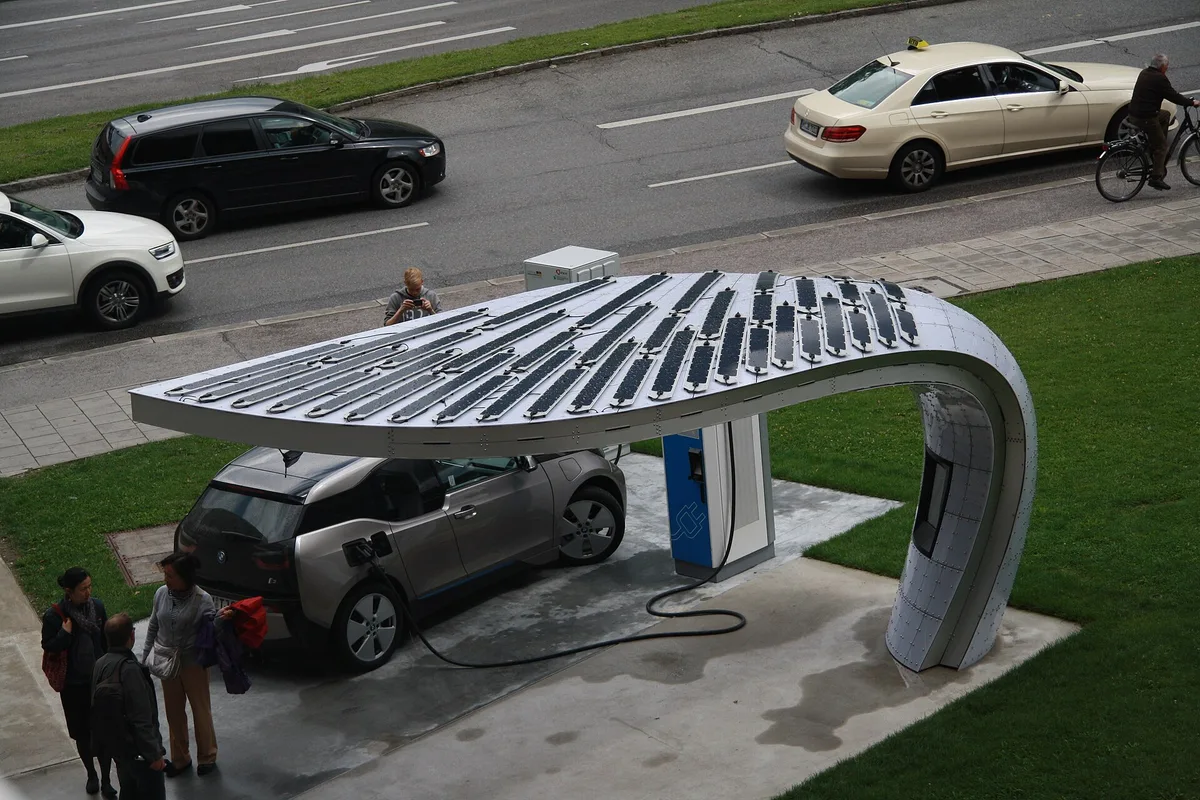
Most EV road trip stress is not caused by range. It is caused by planning for the perfect charger and meeting the real one.
Key facts
- Charging from 10 to 80 percent is usually faster than chasing a full battery.
- Cold weather can reduce usable range noticeably, especially on short urban trips.
- A planned backup charger turns a broken unit from a crisis into a detour.
- Tyre pressure and roof boxes affect EV range more than most drivers expect.
Range anxiety is mostly planning anxiety
Modern electric cars have enough range for almost any journey, provided the driver plans around chargers rather than around the official range figure. The official number is a laboratory result. Real range depends on speed, temperature, wind, load and how much climate control you use.
The fix is not a bigger battery. It is a route with sensible margins, a backup stop and the discipline to charge in the efficient window instead of treating every stop like a full tank.
Plan the route, not just the destination
Use the car's navigation or a reputable charging app to plot fast chargers along the route. Check the connector type, the power output and recent reliability notes. A 50 kW charger that works is better than a 350 kW unit that has been offline for a month.
Plan to arrive at a charger with 10 to 20 percent remaining, not 2 percent. That margin covers a detour, a headwind or a charger that is occupied. It also gives the battery the right temperature and state of charge for fast charging.

The 10 to 80 percent habit
Fast charging is quickest in the middle of the battery. The last 20 percent takes disproportionately long, and the first few percent can be slow in cold conditions. On a long trip, two shorter stops often beat one long stop, and they leave you less exposed to a queue.
If you are stopping for a meal anyway, charge longer. If you are stopping only to charge, leave when the rate drops. The car's display usually shows the taper clearly; watch it rather than the clock.
The fastest road trip is not the one with the fewest stops. It is the one with the fewest surprises.
Backup stops and charger reliability
Pick a primary and a secondary charger for each leg. Check the secondary is within range from the primary, not from your starting point. If the primary is busy or broken, you should be able to reach the secondary without a dramatic change of plan.
Read recent check-ins where available and note the time of day. A charger that works at 7am may be full at 6pm on a holiday weekend. If you are travelling on a peak day, add a third option or shift the timing.
Winter changes the arithmetic
Cold reduces usable range and slows charging until the battery warms up. Precondition the battery before a fast charge if the car supports it, and use seat and steering wheel heating instead of cabin heat where possible. Park overnight with the car plugged in so it can precondition on grid power.
Snow and salt also affect consumption. A roof box can add a meaningful penalty at highway speed. Remove it when you do not need it, and check tyre pressures before you leave.
What to carry
- A charging cable for AC destinations, if the car does not include one.
- A Type 2 cable and any adapter required in the countries you visit.
- A tyre inflator and sealant, or a spare if the car has one.
- A small torch and gloves for dark charging stops.
- A phone mount and a charging cable for the phone, not just the car.
Costs and the honest comparison
Fast charging on the road costs more per kWh than home charging, sometimes several times more. The total fuel cost of an EV trip can still be lower than petrol, but it depends on where you charge and how fast you drive. Add the cost of a coffee and a snack and the saving narrows further.
The bigger win is usually convenience at home and quieter, smoother driving. Treat public charging as a road-trip expense, not as the normal cost of running the car.

A simple routine that works
Charge to 80 percent the night before, plan two stops with backups, arrive with margin, and leave when the rate tapers. Check the weather and the tyre pressures. That routine handles the vast majority of trips without drama, and it leaves room for the unplanned detour that makes a road trip worth taking.
Written by Ezra Agro Desk for Ezra Agro. Tips or corrections? Email [email protected].