Driving Tips·Ezra Agro Desk·
Driving in Heavy Rain and Standing Water: Staying Safe
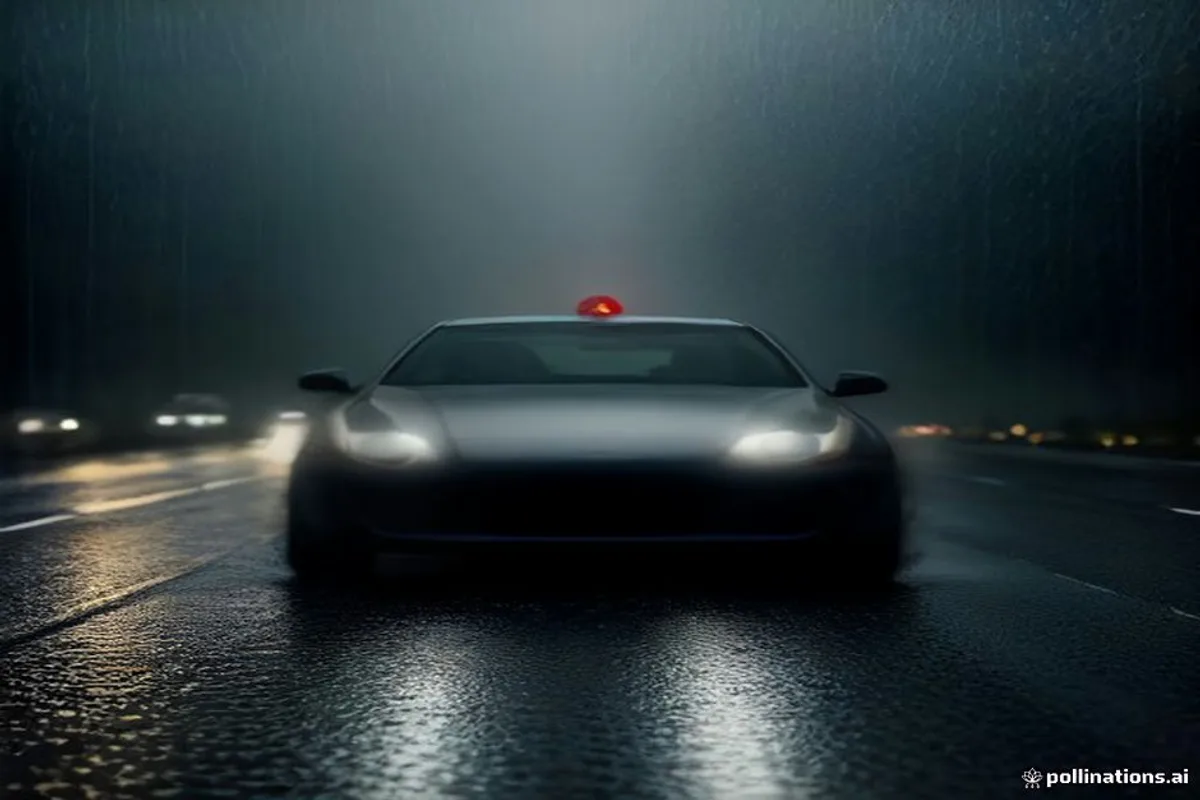
Rain does not just reduce visibility. It changes how the tyres meet the road, and the difference is measured in metres of stopping distance.
Key facts
- Wet braking distances can be roughly double dry distances at highway speed.
- Aquaplaning happens when water pressure lifts the tyre off the road, often without warning.
- Wading depth is model-specific; a bow wave can enter the air intake of a car that looks fine.
- Worn wiper blades and a foggy windscreen turn a heavy shower into a real hazard.
Before the rain arrives
Wet-weather driving starts with preparation. Check tyre tread and pressure before the rainy season, not during the first storm. A tyre at 3 mm clears water far less effectively than one at 6 mm, and the difference shows up in braking, not in the showroom.
Replace wiper blades when they smear or chatter, and top up the washer fluid with a proper mix. Check that the demister works and that the drain channels around the windscreen are clear of leaves. A blocked drain can send water into the cabin or the electronics.
Slow down before you think you need to
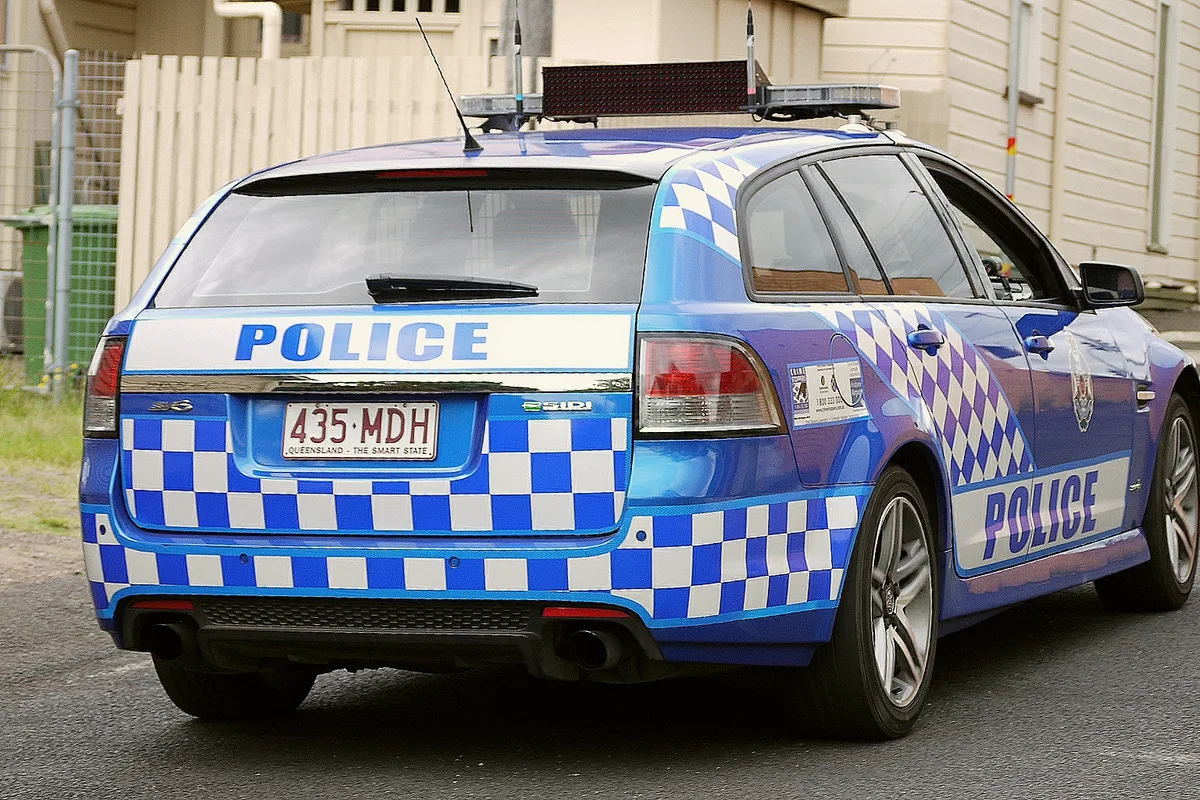
The first ten minutes of rain are often the most slippery, because oil and dust on the road mix with water. Reduce speed early, increase the gap to at least four seconds and avoid sudden inputs. Smooth steering and gentle braking matter more than any technique.
Aquaplaning: what it feels like and what to do
Aquaplaning feels like the steering goes light and the car floats. The tyres have stopped clearing water and are riding on a film. Do not brake hard and do not yank the wheel. Ease off the accelerator, keep the wheel steady and let the car slow until grip returns.
Avoid cruise control in heavy rain, because it can maintain speed when you need to lift off. Avoid puddles at the edge of the road, where water collects and debris hides. If you see a reflection or a ripple that looks deeper than a few centimetres, treat it as an obstacle.
If the steering goes light, your only job is to do less: less throttle, less steering, less brake.
Standing water and wading
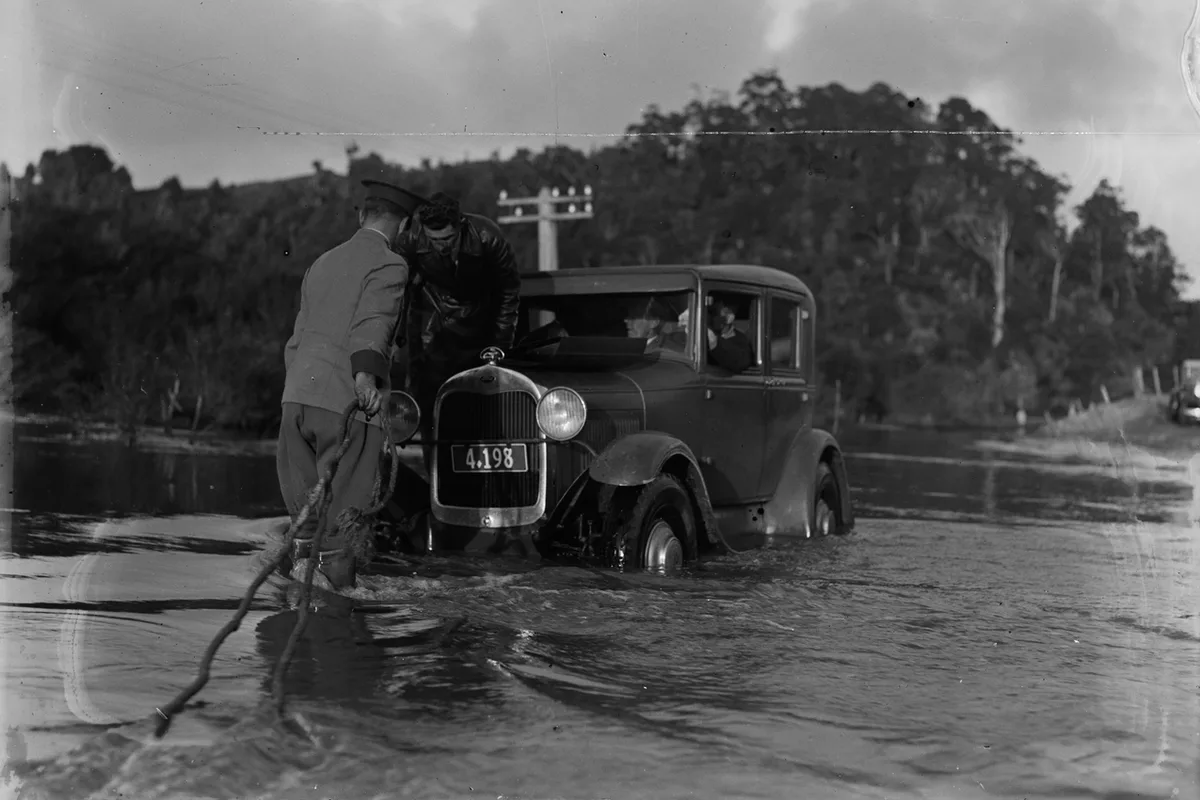
Do not drive into water of unknown depth. A car can stall in water well below the door line if the intake draws it in, and an electric car has its own limits even if the battery is sealed. Turn around if you cannot see the road surface or a depth marker.
If you must cross a shallow stretch, do it slowly and steadily in a low gear, without stopping. Do not create a bow wave. Once through, test the brakes gently to dry them, and check for water in the footwells and under the bonnet. If the engine stalls in water, do not restart it; get out and call for help.
Visibility, lights and spray
Use dipped headlights in rain, not just daytime running lights. DRLs often leave the rear of the car dark, which is exactly what the driver behind needs to see. Use rear fog lights only when visibility is seriously reduced; otherwise they dazzle.
Keep the windscreen clean inside and out. A dirty screen fogs faster and scatters oncoming headlights. Set the demister early and use air conditioning to dehumidify, even if it is cold outside. Replace a smearing wiper before a long trip rather than after.
Following, braking and being seen
- Increase the gap to four seconds or more, and further at night.
- Brake earlier and more gently, giving the driver behind time to react.
- Avoid sudden lane changes where spray hides your intentions.
- Do not follow large vehicles closely; their spray blinds you and hides the road.
- Pull over safely if visibility drops below what you can handle, and turn on hazards only when stopped.
After the storm
Check the tyres, brakes and lights after a long wet drive. Water can get into wheel bearings and electrical connectors, and brake discs can flash-rust overnight. A gentle drive with light braking usually clears the surface rust. If a warning light stays on, get it checked.
Heavy rain rewards patience and punishes confidence. The drivers who arrive safely are rarely the fastest ones. They are the ones who left a bigger gap, lifted off earlier and accepted that the schedule could wait.
Written by Ezra Agro Desk for Ezra Agro. Tips or corrections? Email [email protected].