Driving Tips·Ezra Agro Desk·
Defensive Driving in Traffic: The Two-Second Habit
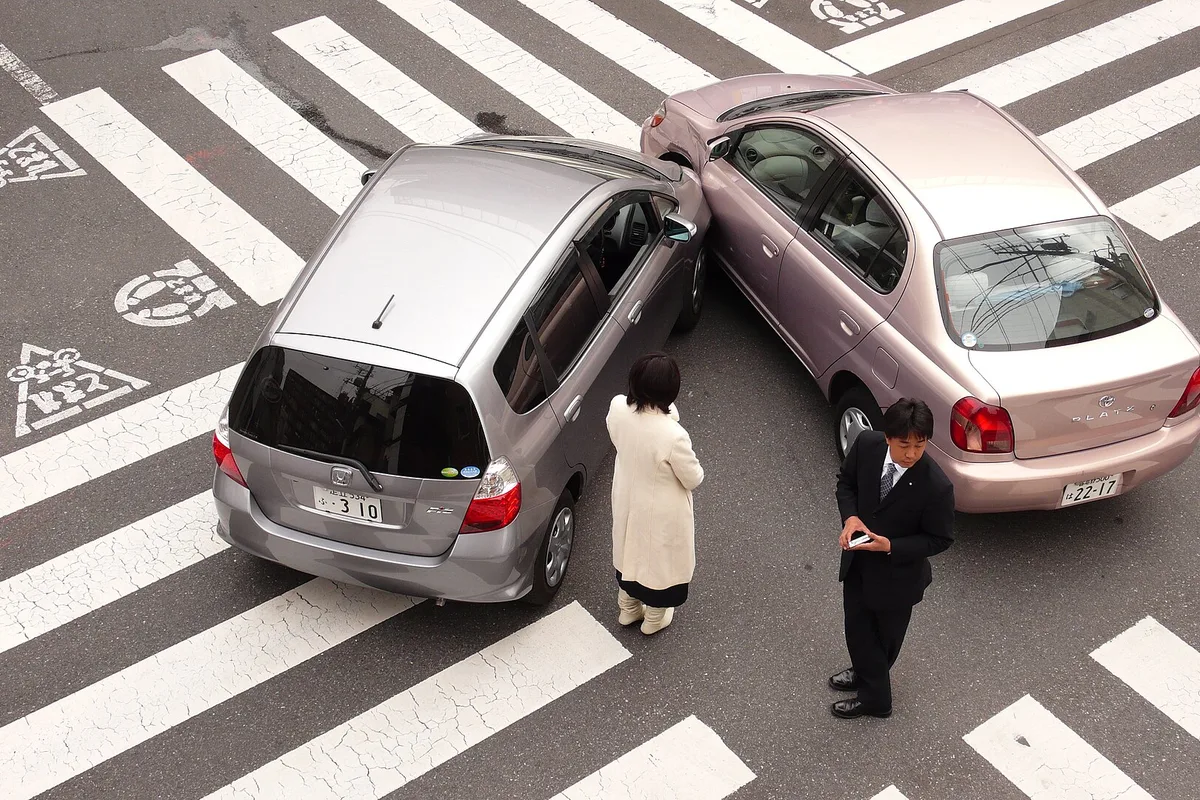
Most crashes in traffic are not caused by speed alone. They are caused by following too closely, looking too near and reacting too late.
Key facts
- The two-second gap is a minimum in dry weather, not a target for every condition.
- At 100 km/h, a car covers about 28 metres per second; reaction time alone uses most of a short gap.
- Checking mirrors every five to eight seconds keeps you aware of what is approaching from behind.
- Leaving a lane early is safer than making a late merge at speed.
The gap is the whole system
Defensive driving has a reputation for being slow and timid. In practice it is about creating time and space, which lets you drive smoothly at the speed of traffic. The single most useful tool is the following gap.
Pick a fixed point ahead, such as a sign or a shadow. When the car in front passes it, count the seconds until you pass the same point. Two seconds is the dry-weather minimum. In rain, double it. At night or in fog, double it again.
If someone fills your gap, do not brake hard in frustration. Ease off, rebuild the space and let them go. The point is not to defend territory. It is to give yourself room to stop if the traffic ahead stops suddenly.
Look far enough ahead
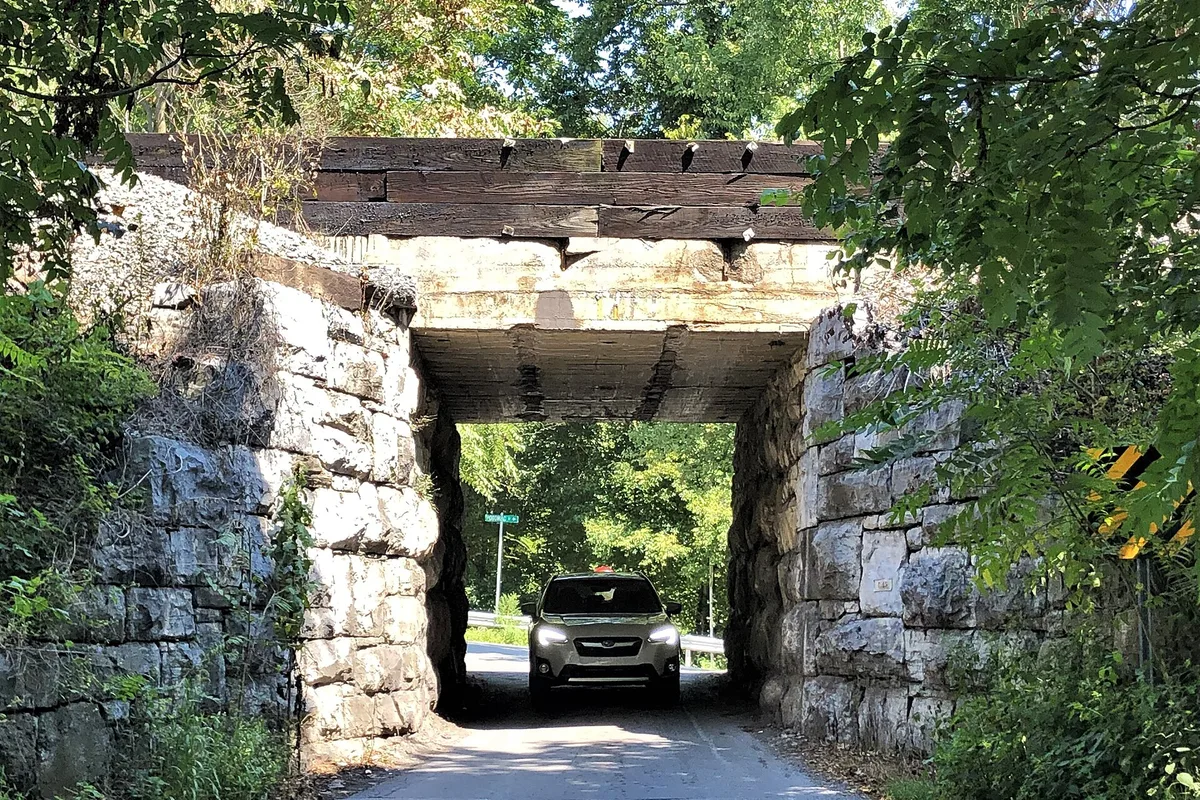
Most drivers look at the car directly in front, which is why traffic feels like a series of surprises. Look through and past the car ahead to the next few vehicles. Watch the brake lights two or three cars forward. You will see the wave of braking before it reaches you, and you can lift off early instead of stamping on the pedal.
On a multi-lane road, scan the lanes beside you as well. A gap that appears inviting can close quickly when a lorry changes lane. Reading the whole scene is what separates a calm driver from a reactive one.
Mirrors, blind spots and the shoulder check
Mirrors are useful but incomplete. Every car has a blind spot, and modern high beltlines make it worse. Before changing lanes, indicate early, check the mirror, then turn your head enough to see the blind spot. A mirror-only check is how cars disappear.
Set the mirrors so you see a sliver of your own car, then adjust outward until the side mirror overlaps the rear-view mirror's field of view. This reduces the blind spot but does not eliminate it. The shoulder check remains essential.
Space is not wasted time. It is the time you will need when someone else makes a mistake.
Merging and lane changes
Merge early when traffic is heavy. Late merging at speed creates conflict and forces others to brake. If you are joining a motorway, use the slip road to match the speed of traffic and indicate before the line ends, not after.
When changing lanes, look for a gap that is closing slowly rather than one that is already closing. Indicate for a few seconds before moving, and move smoothly. A car that drifts across a lane without indication is unpredictable, even if the driver saw nothing.
Fatigue is a traffic condition
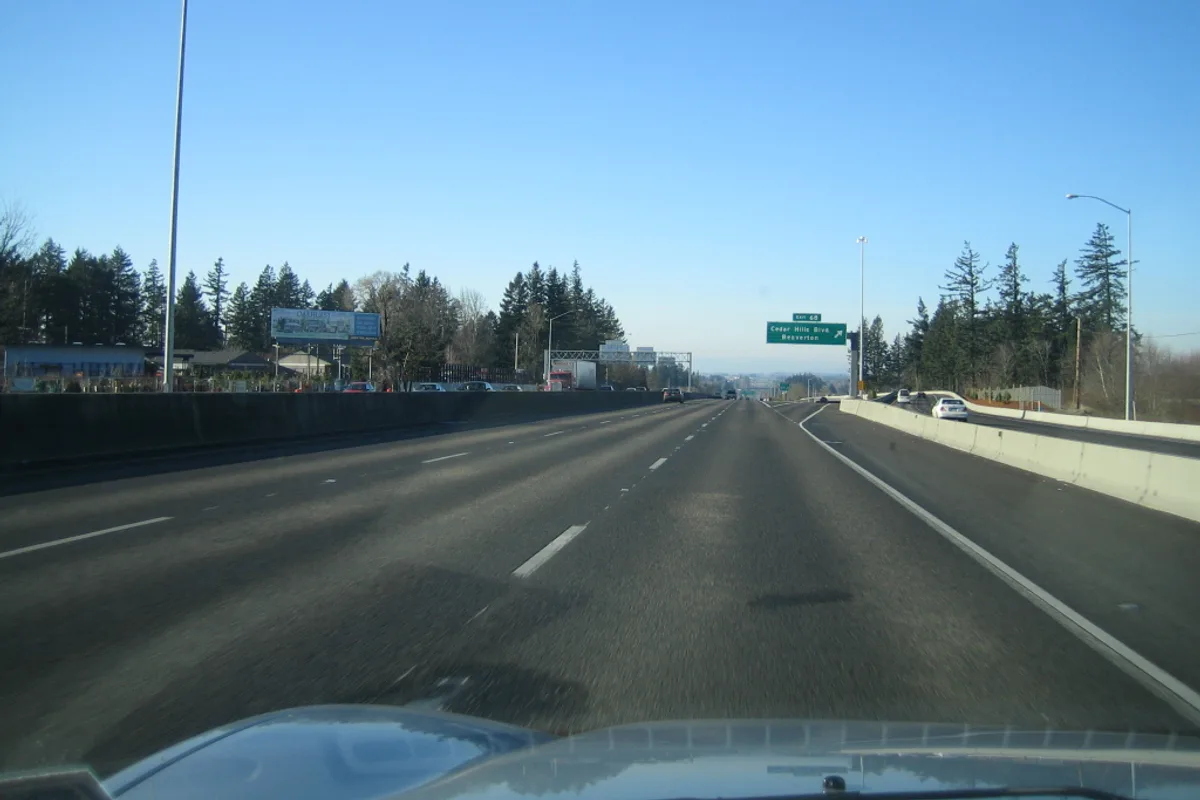
Fatigue slows reaction time and narrows attention, and it is easy to underestimate. If you yawn repeatedly, lose track of the last few kilometres or find yourself correcting the steering, stop. A fifteen-minute break with fresh air and water helps; caffeine helps for a while; sleep is the only real fix.
Do not rely on music or an open window to keep you awake. Plan breaks before you feel tired, especially on long motorway runs where the road itself is monotonous.
Weather and following distance
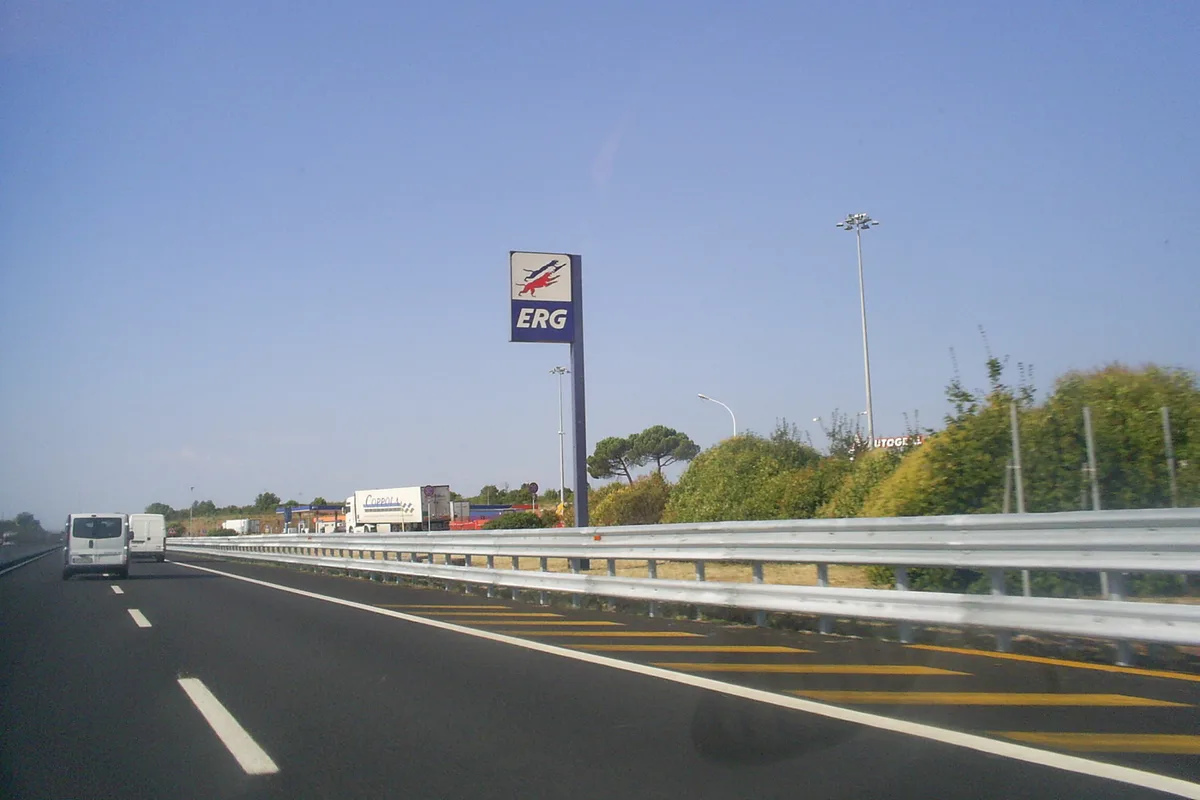
Rain, fog and low sun all reduce visibility and grip. Slow down before the conditions demand it, turn on the correct lights and increase the gap. Do not use rear fog lights unless visibility is genuinely poor, because they dazzle the driver behind.
The small habits that add up
- Check mirrors every five to eight seconds, and before every lane change.
- Keep both hands on the wheel except when changing gear or adjusting controls.
- Avoid phone use entirely; hands-free still takes attention.
- Signal before braking where possible, so the driver behind understands your plan.
- Leave the gap even when traffic is slow; a chain reaction starts with one late brake.
Defensive driving is not about being passive. It is about being early: early to see, early to react, early to create space. That is what makes heavy traffic tiring for some drivers and manageable for others.
Written by Ezra Agro Desk for Ezra Agro. Tips or corrections? Email [email protected].