Performance·Ezra Agro Desk·
Brake Upgrades That Matter More Than Extra Horsepower
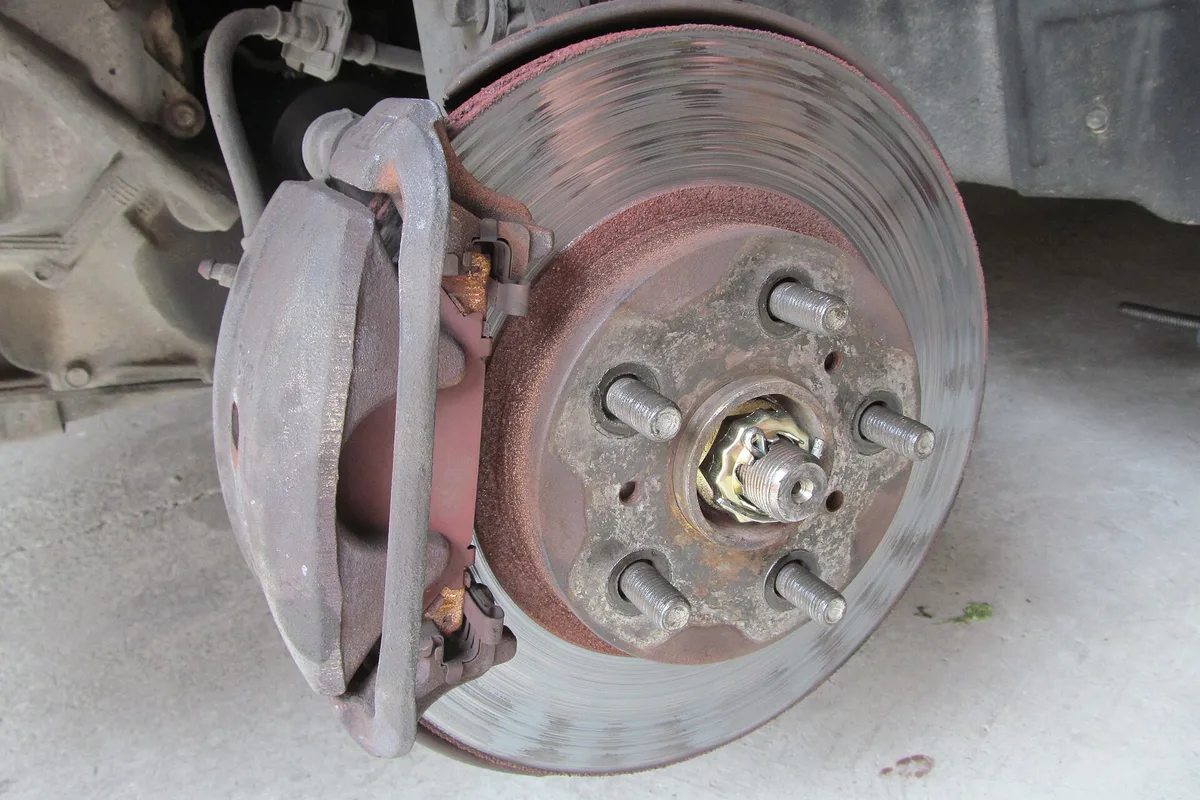
More horsepower makes you faster between corners. Better brakes make you faster into them, and they help on the road every single day.
Key facts
- Fresh high-quality brake fluid and good pads usually deliver more real-world improvement than larger calipers.
- Brake fade is often a fluid problem, not a disc-size problem.
- Track pads on a daily driver can be noisy, dusty and weak when cold.
- Bedding in new pads properly matters as much as the parts you choose.
Start with the weakest link
The brake system is a chain: pedal, master cylinder, fluid, lines, calipers, pads and discs, then tyres. Upgrading the strongest link does little. On most road cars, the weakest links are the fluid, the pads and the tyres, in that order.
A big brake kit looks impressive and can be genuinely useful on track. On a road car, it often adds unsprung weight and cost without shortening stopping distances, because the limiting factor was never disc diameter. It was heat management and grip.
Pads: choose for the temperature you actually see
Factory pads are a compromise: quiet, low-dust and decent from cold. A mildly upgraded street pad can add bite and heat tolerance without ruining daily life. A dedicated track pad will stop hard when hot, but may squeal, dust heavily and feel wooden on a cold morning.
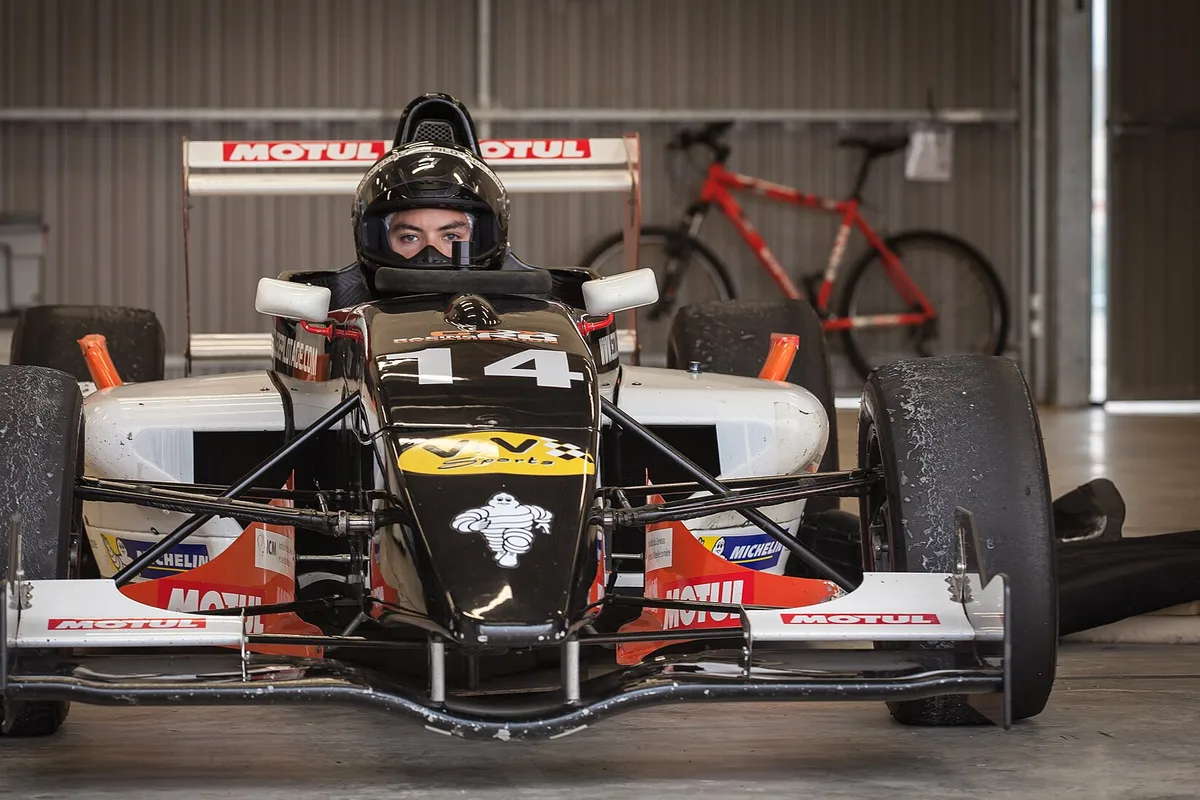
Be honest about use. If the car is a daily driver that sees two track days a year, a street-performance pad plus good fluid is usually the better answer than a full race compound. If it is a track car, accept the noise and use a pad designed for the heat.
Fluid: the cheapest real upgrade
Brake fluid absorbs moisture, which lowers its boiling point. When fluid boils, the pedal goes long or to the floor, and no amount of caliper size will fix it. A flush with fresh, correctly rated fluid is inexpensive and restores consistency.
Match the fluid to the use. A high dry-boiling-point fluid is useful on track, but many performance fluids absorb moisture faster and need more frequent changes. For a road car, fresh standard fluid changed on schedule is often better than old race fluid.
A long pedal after three hard stops is not a pads problem. It is usually boiled fluid, and it is a warning you should not ignore.
Lines, cooling and the hardware
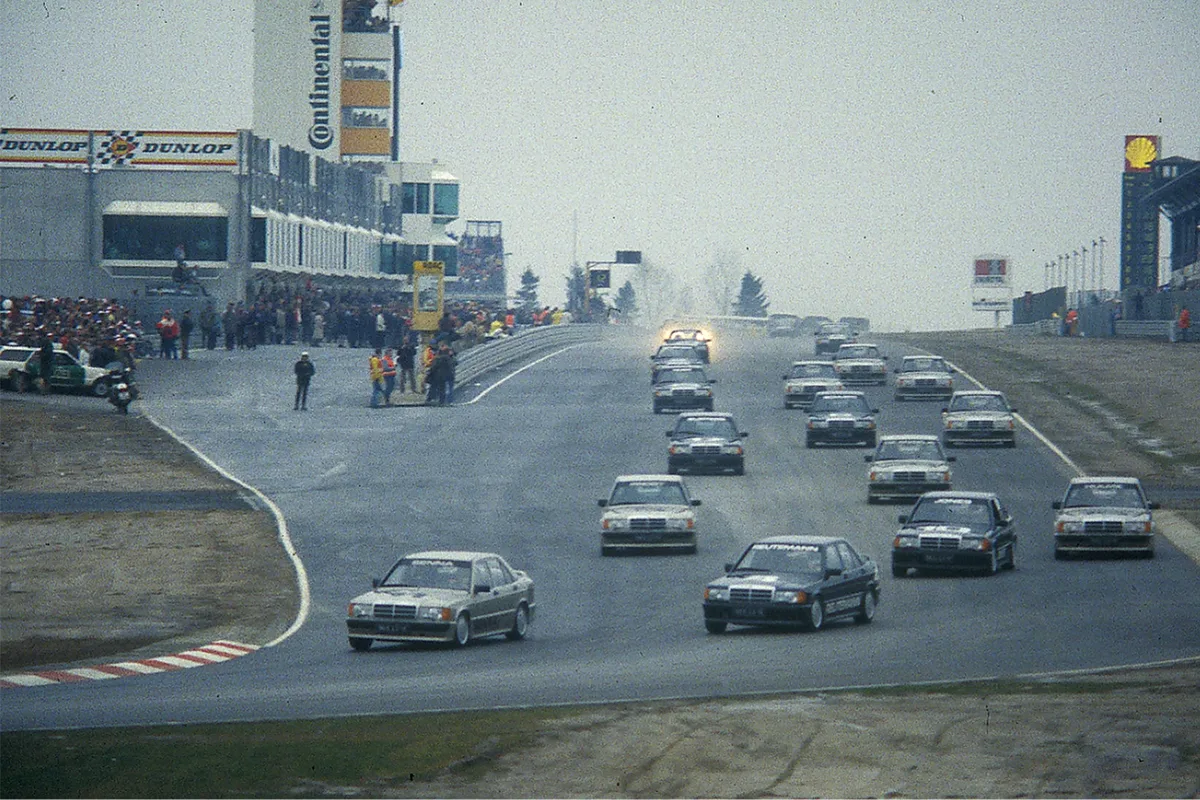
Stainless braided lines improve pedal feel by reducing expansion under pressure, and they are a sensible upgrade on older cars with tired rubber hoses. They do not increase braking power. Cooling ducts can help on track by directing air to the disc, but poorly routed ducts can create drag or reduce clearance.
If you fit larger discs, check wheel clearance, spare-wheel fitment and unsprung weight. Bigger is not automatically better if the added mass heats the wheel bearing or changes the steering feel. Ask whether the kit includes a proper caliper bracket and whether replacement discs and pads will be available in five years.
Tyres are part of the brake system
The tyre is the only contact with the road. A car on worn or hard-compound tyres will not stop shorter, no matter how good the brakes are. Before spending on calipers, check tread depth, tyre age and whether the compound suits your climate. This is the least glamorous upgrade and often the most effective.
Bedding in new pads
New pads need a transfer layer of material on the disc to work properly. Follow the manufacturer's bedding procedure, usually a series of medium and hard stops from moderate speed with cooling intervals in between. Avoid holding the car stationary with hot pads against the disc, which can leave an uneven deposit.
If the pedal pulses or the wheel shakes after the job, something is wrong: uneven deposits, warped discs, uneven torque on the wheel nuts or a sticking caliper. Do not simply drive through it and hope it smooths out.
A sensible upgrade path
- Replace worn tyres with a compound that matches your climate and driving.
- Flush the brake fluid and use a quality pad for your actual use.
- Inspect calipers for sticking pistons and replace tired rubber lines with quality items.
- Only then consider larger discs or calipers, and only if heat is the proven problem.
- After any change, test in a safe area and re-check torque after the first drive.
The goal is not a brake system that looks fast. It is one that feels the same on the tenth hard stop as it did on the first, and that gives you confidence when a child steps off a kerb.
Written by Ezra Agro Desk for Ezra Agro. Tips or corrections? Email [email protected].